✅️ The ID:CITIZEN campaign highlights positive European examples that show how urban planning has a direct impact on the freedom of movement, access to services and the daily dignity of citizens. From public transport and legal standards, to sensory spaces and barrier-free mobility – accessibility is the foundation for cities where everyone can participate:
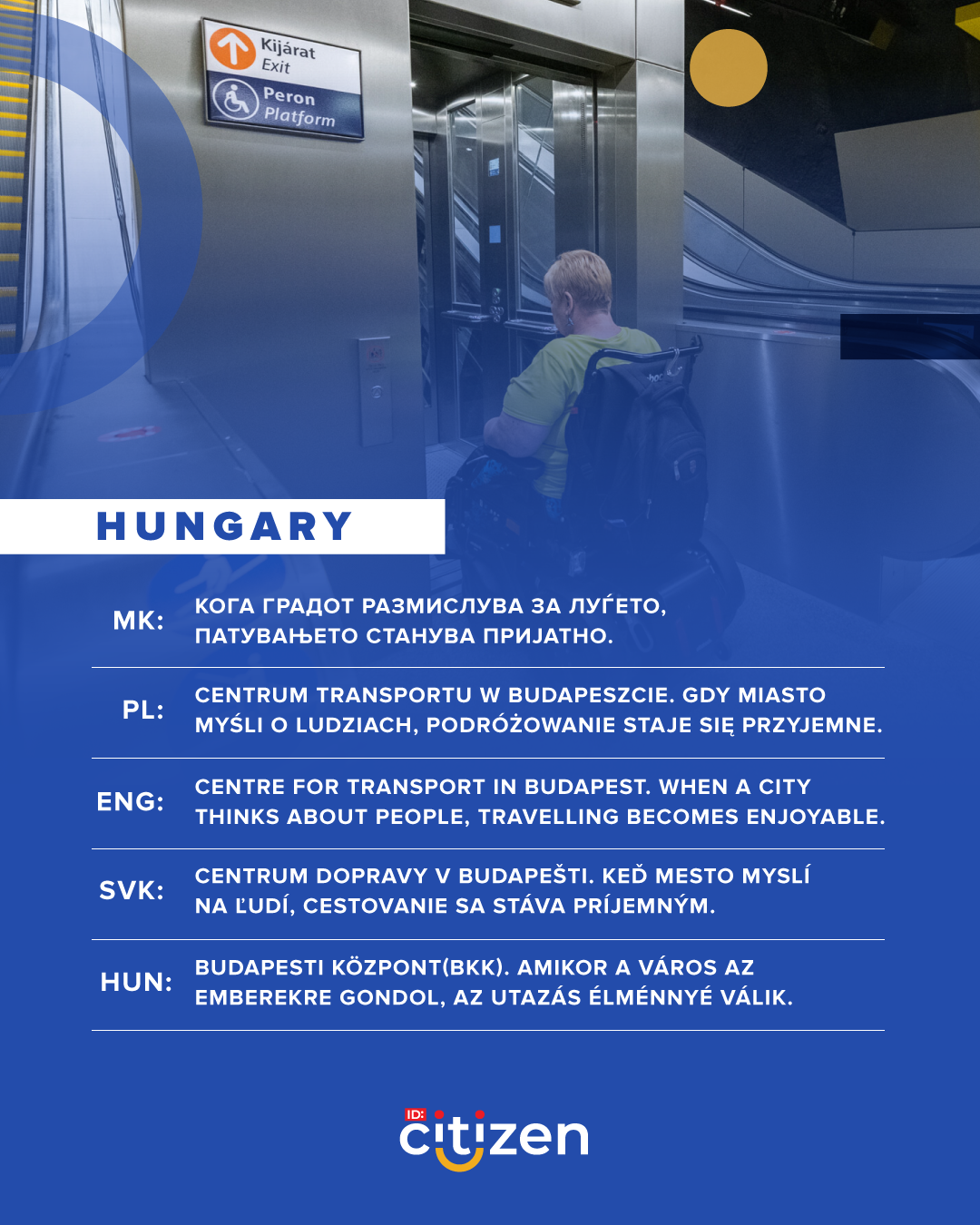
🇭🇺: Budapest is an example of a city that embeds accessibility in public transport through clear information, accessible routes, digital tools and cooperation with disability organisations. When a city meets the diverse needs of people, travel becomes safer, more predictable and more enjoyable for everyone. 📸: bkk.hu
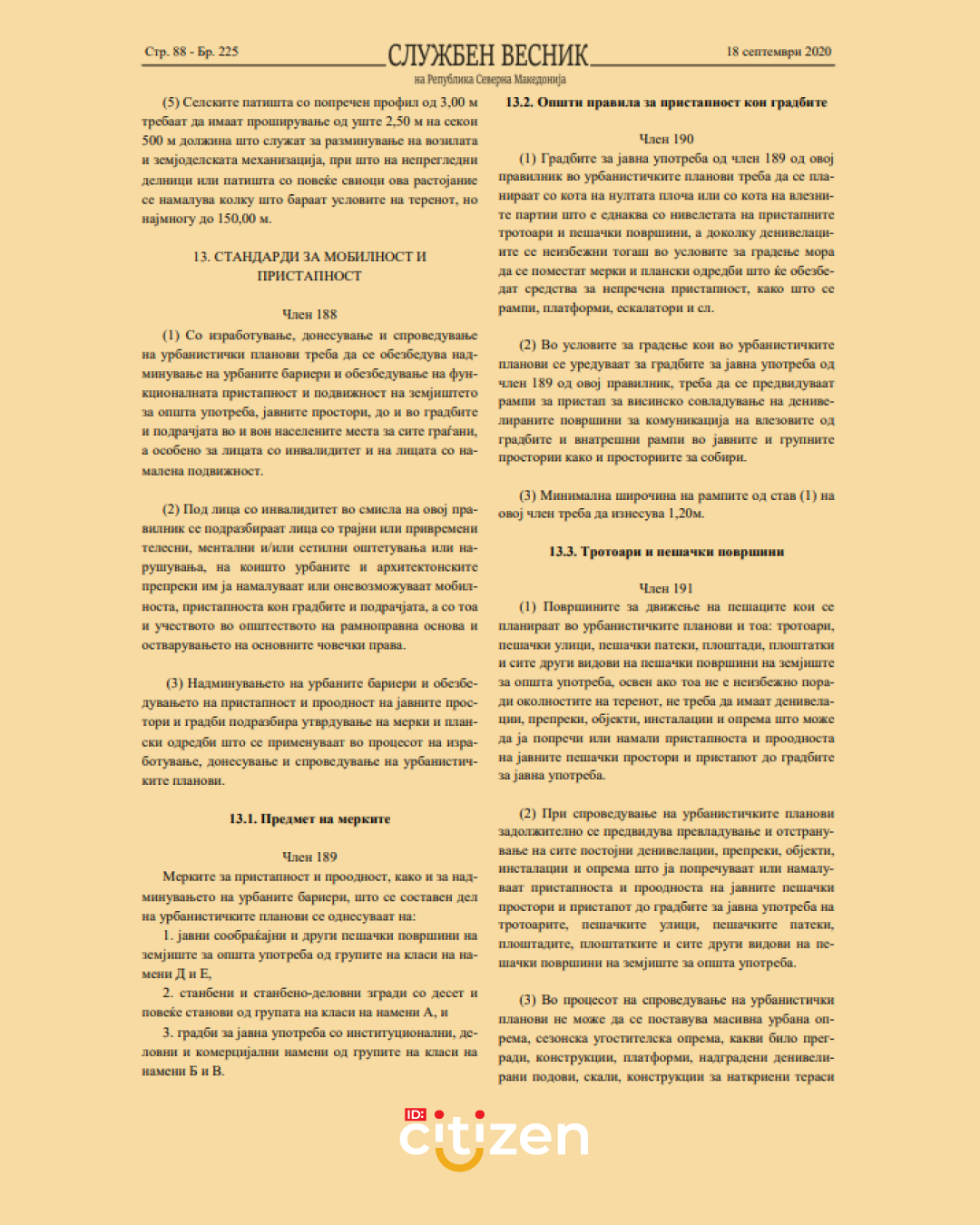
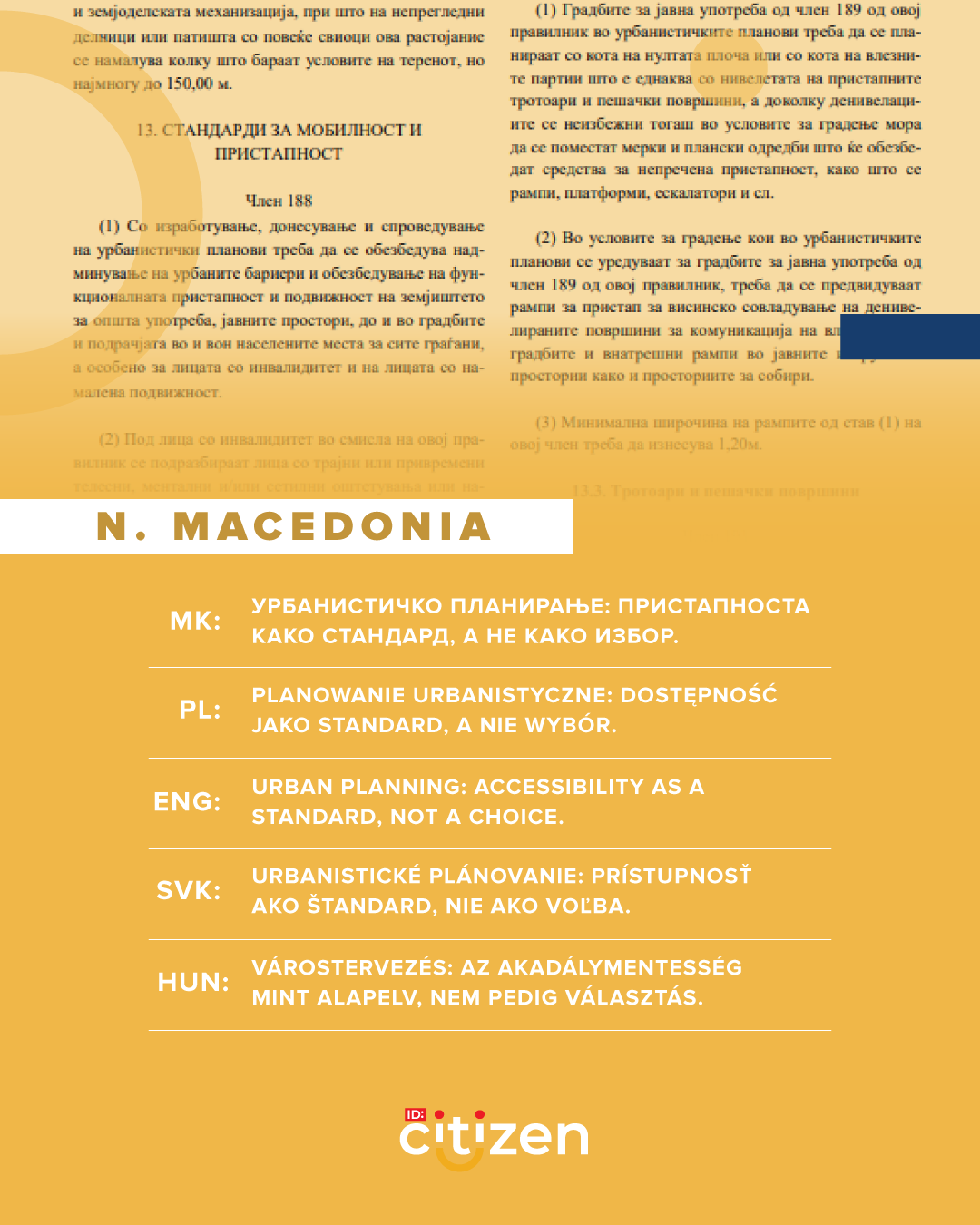
🇲🇰: In Macedonia, the legal framework for urban planning is an important basis for ensuring that accessibility is not left to goodwill, but is treated as a standard. This example is significant because it shows that an inclusive city begins at the planning stage. 📸: Official Gazette, Pg.87- No.225
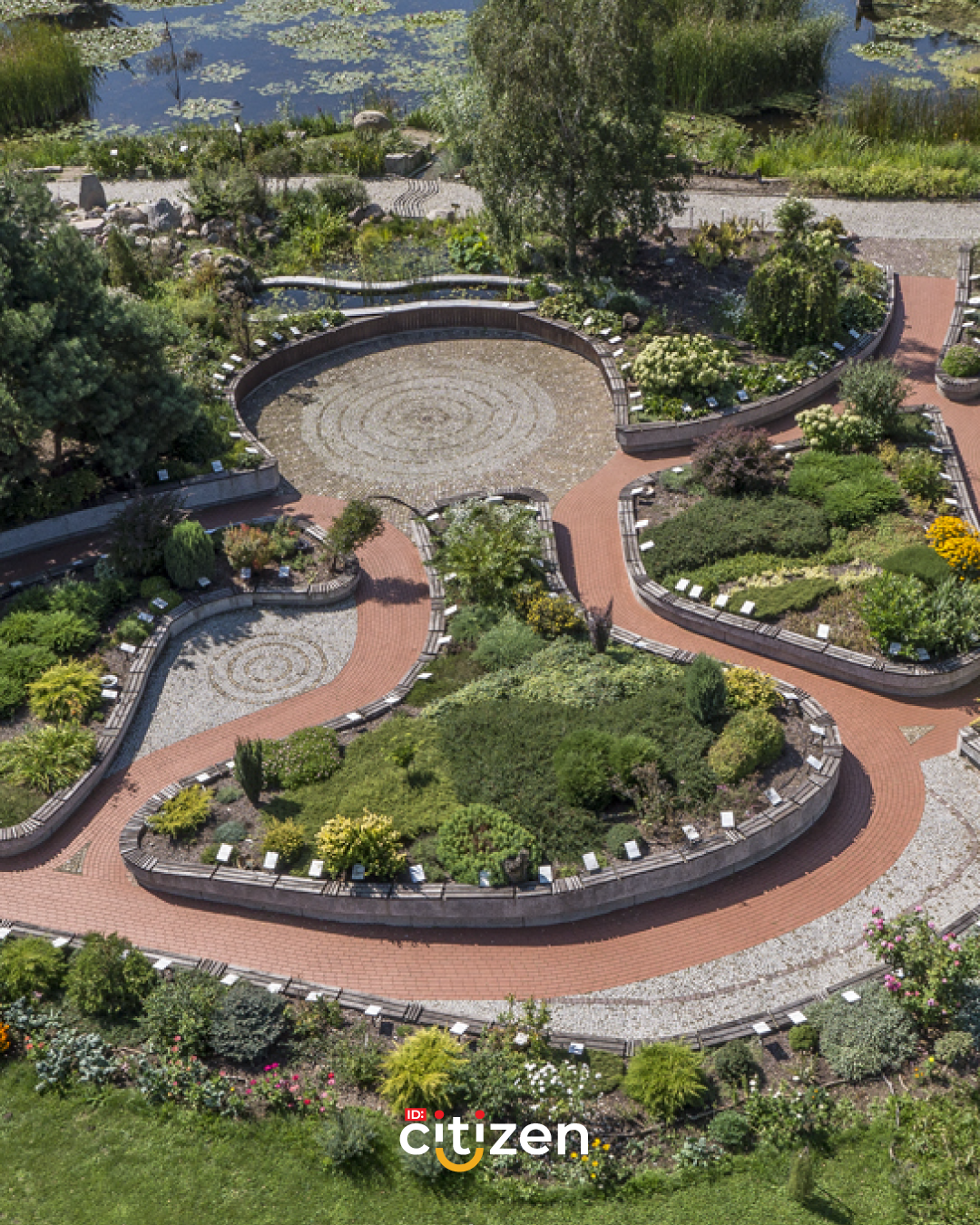
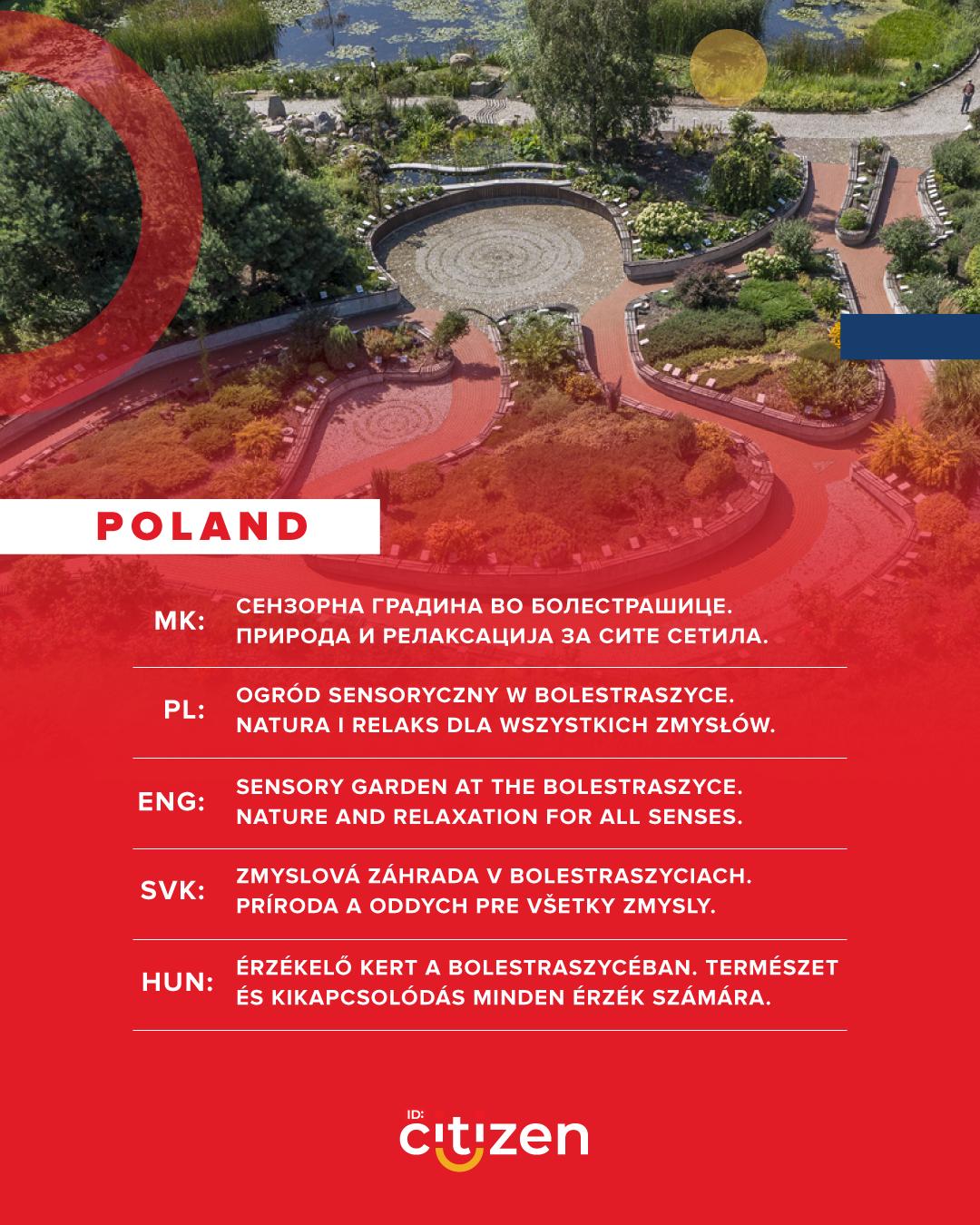
🇵🇱: The Sensory Garden in Bolestraszyce shows that accessibility is not just about movement, but also about the way people experience nature. With raised beds, tactile, olfactory and sound elements, Braille, adapted font and wide paths, nature becomes a space for relaxation and learning for all the senses. 📸: bolestraszyce.com.pl
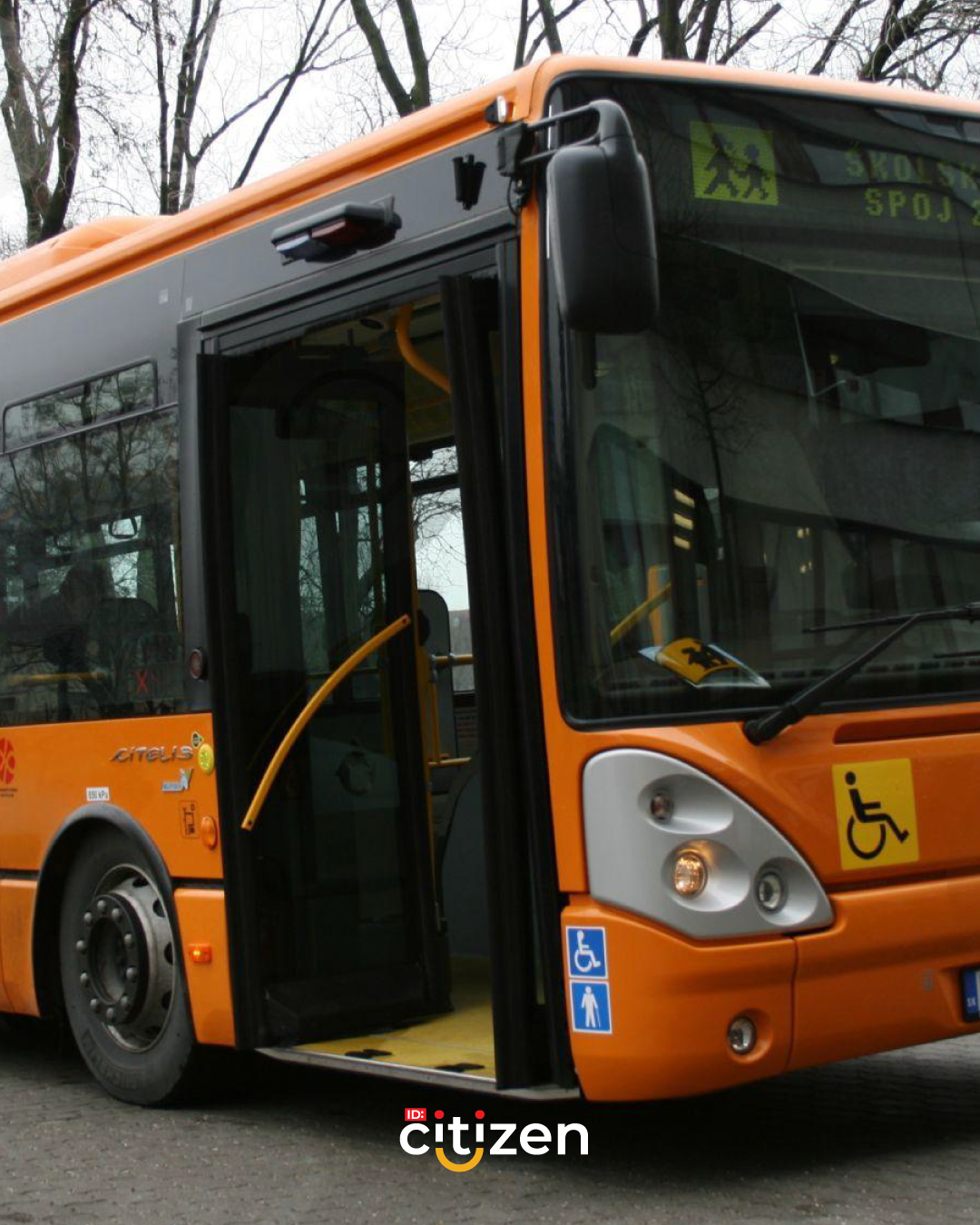
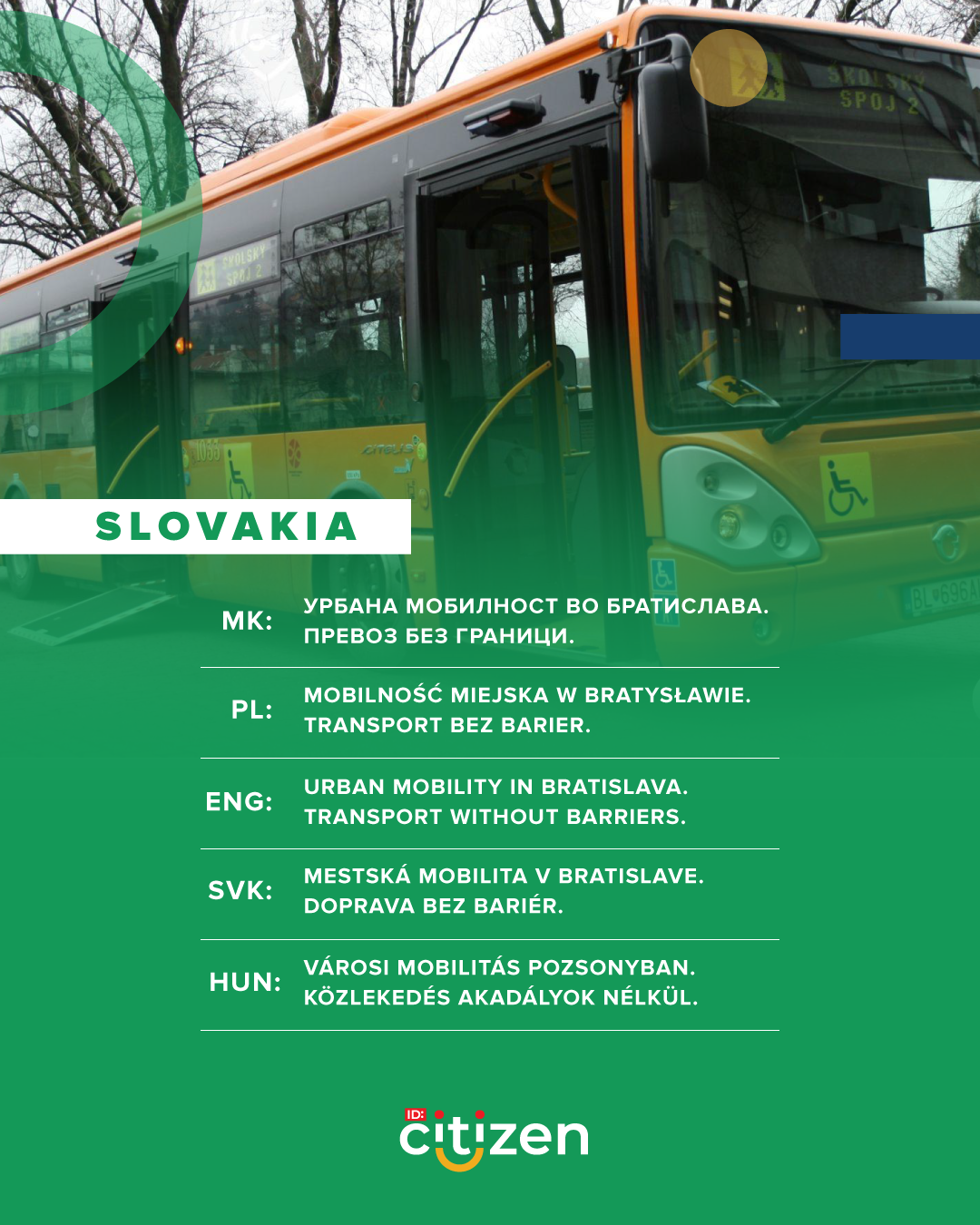
🇸🇰: Bratislava is an example of urban mobility that makes accessibility visible and practical in everyday life. Low-floor buses and trams, clearly marked accessible departures and ramps ensure that public transport is accessible and safe for everyone. 📸: imhd.sk
✨ The international ID:CITIZEN campaign aims to promote positive examples of improving accessibility and inclusion of people with disabilities in culture, education, and public spaces in 🇲🇰🇭🇺🇵🇱🇸🇰.