
✅️ As part of the ID:CITIZEN project, we present examples of cultural and public buildings that show that accessibility should be part of architectural planning from the very beginning, from the entrance and movement through the space, to the way people experience the content:
🇭🇺: Müpa Cultural Center Budapest is an example of a contemporary cultural space where architecture, music and accessibility are combined into a single experience. The facility demonstrates that large cultural institutions can be open, functional and adaptable to a variety of visitors. 📸: György Palkó.
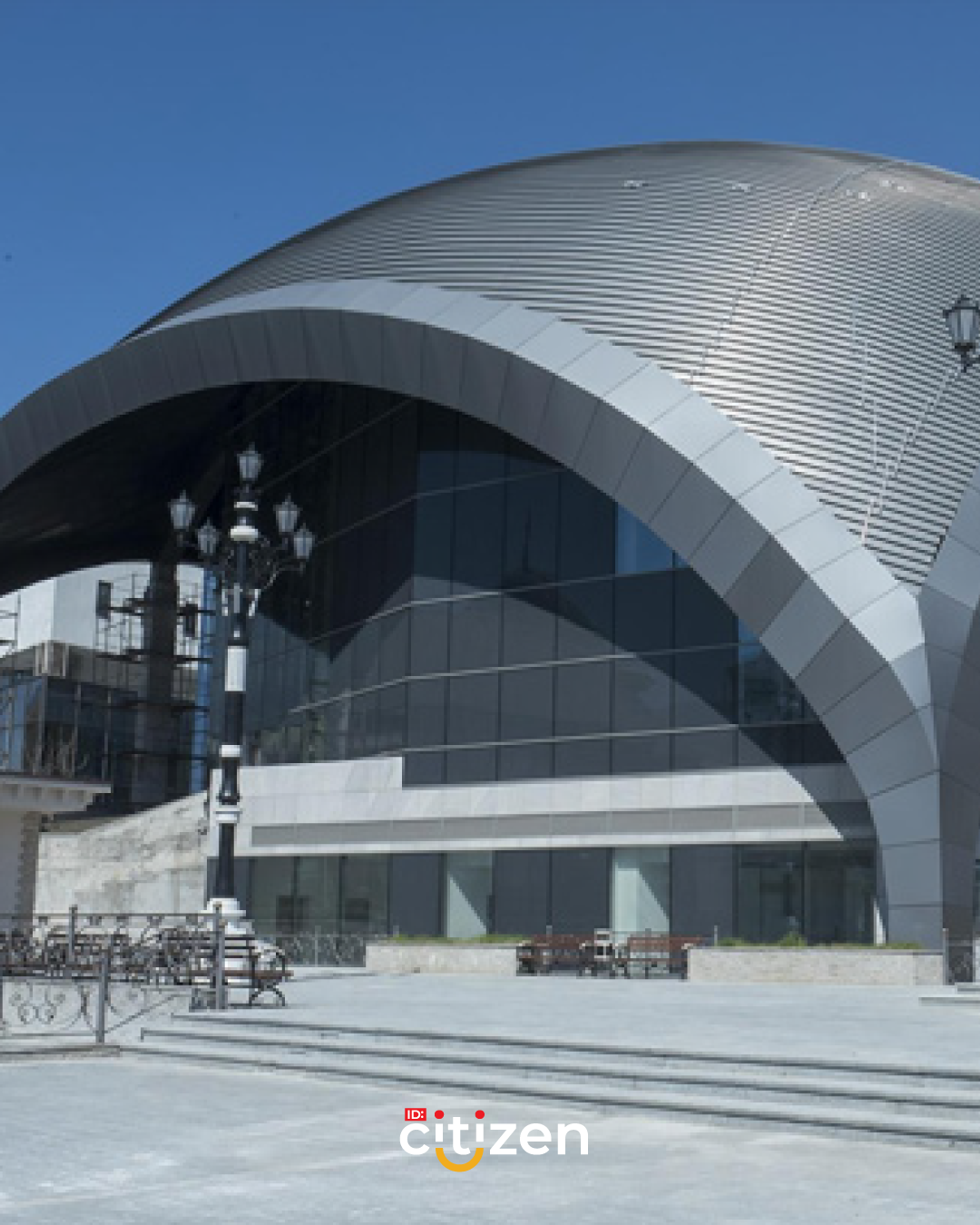
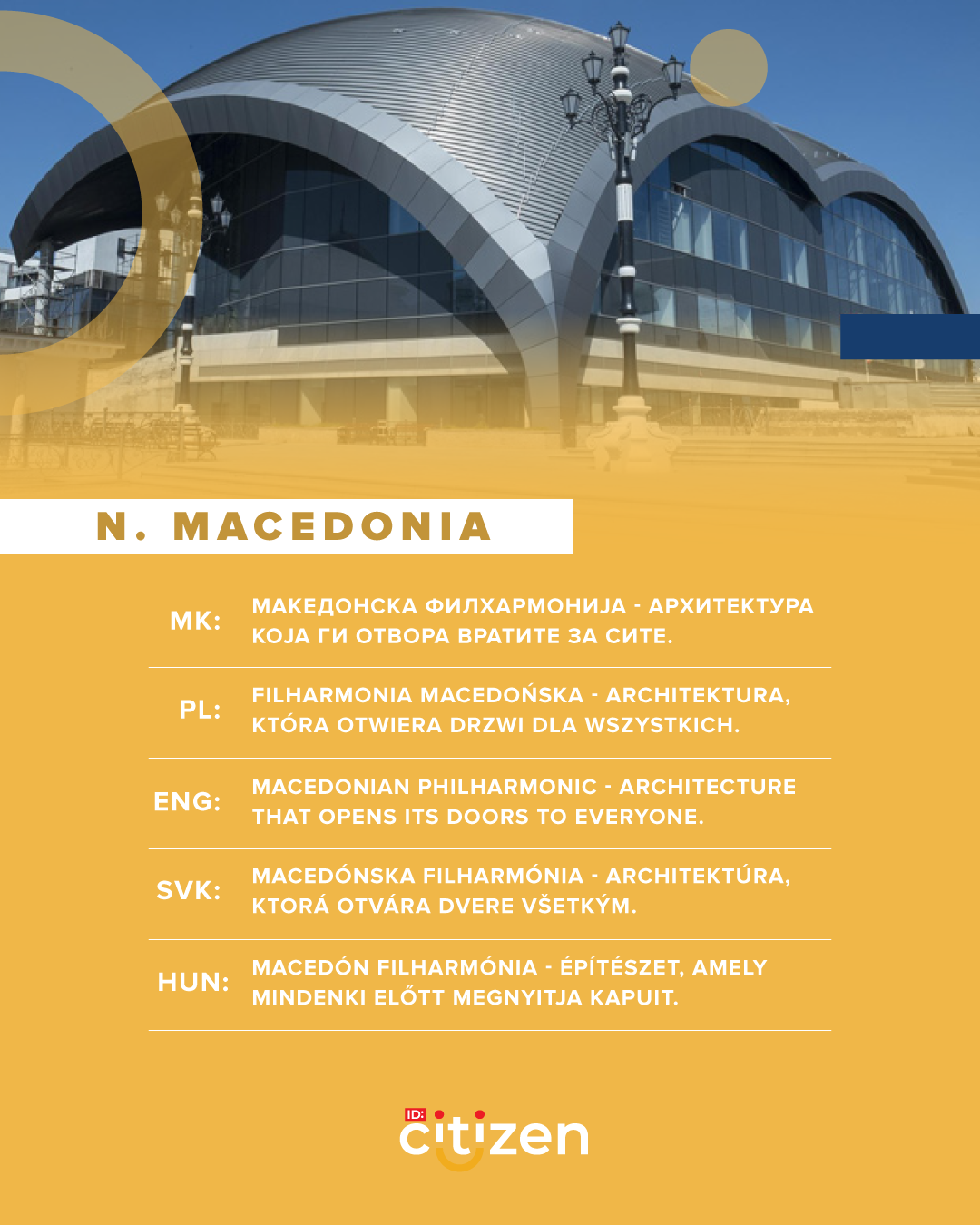
🇲🇰: The Macedonian Philharmonic is one of the most significant contemporary cultural buildings in Skopje and an important example of public architecture dedicated to culture. As an accessible cultural space, it reminds us that accessibility in institutions should be constantly developed so that every visitor can participate equally in cultural life. 📸: mktickets.mk
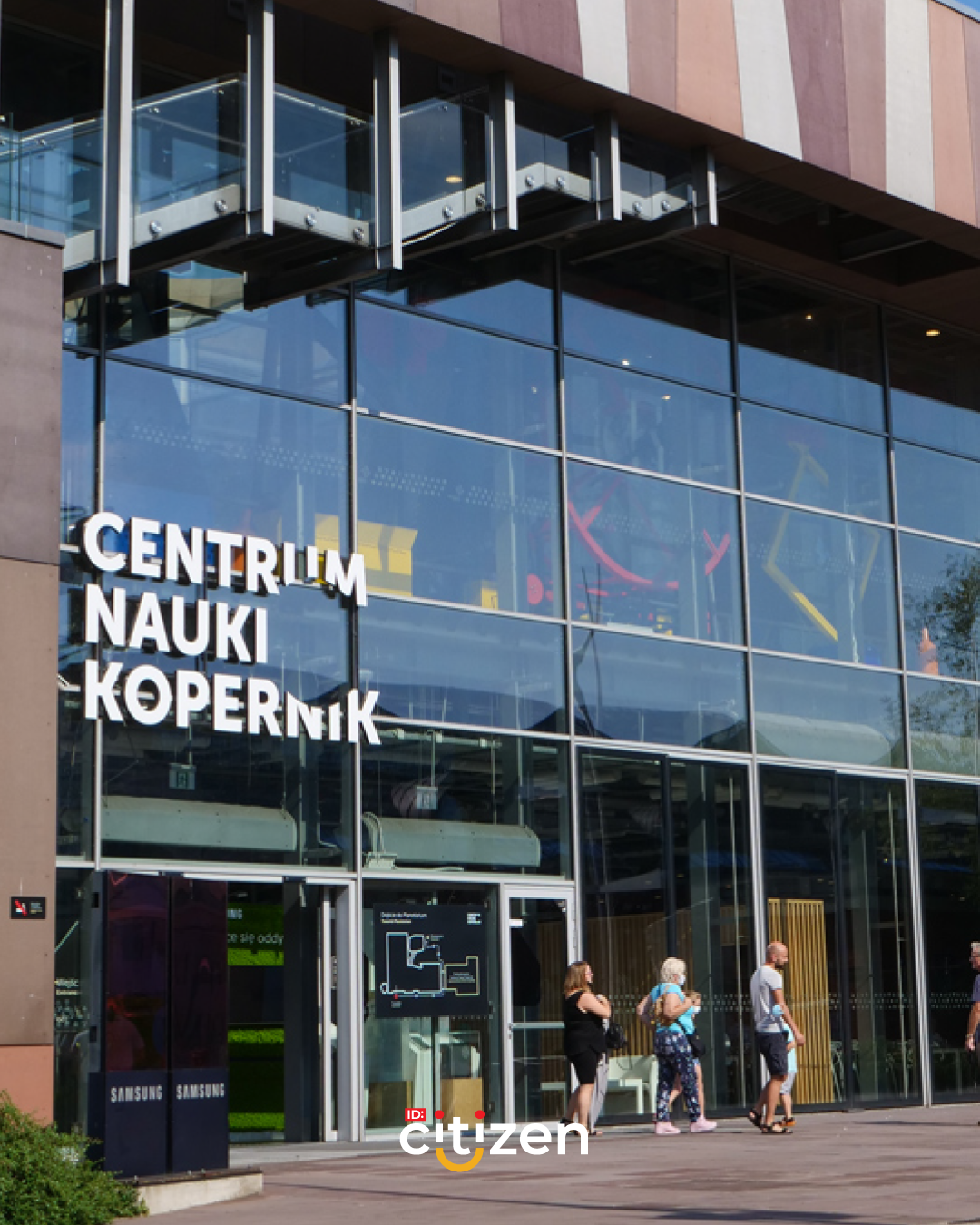
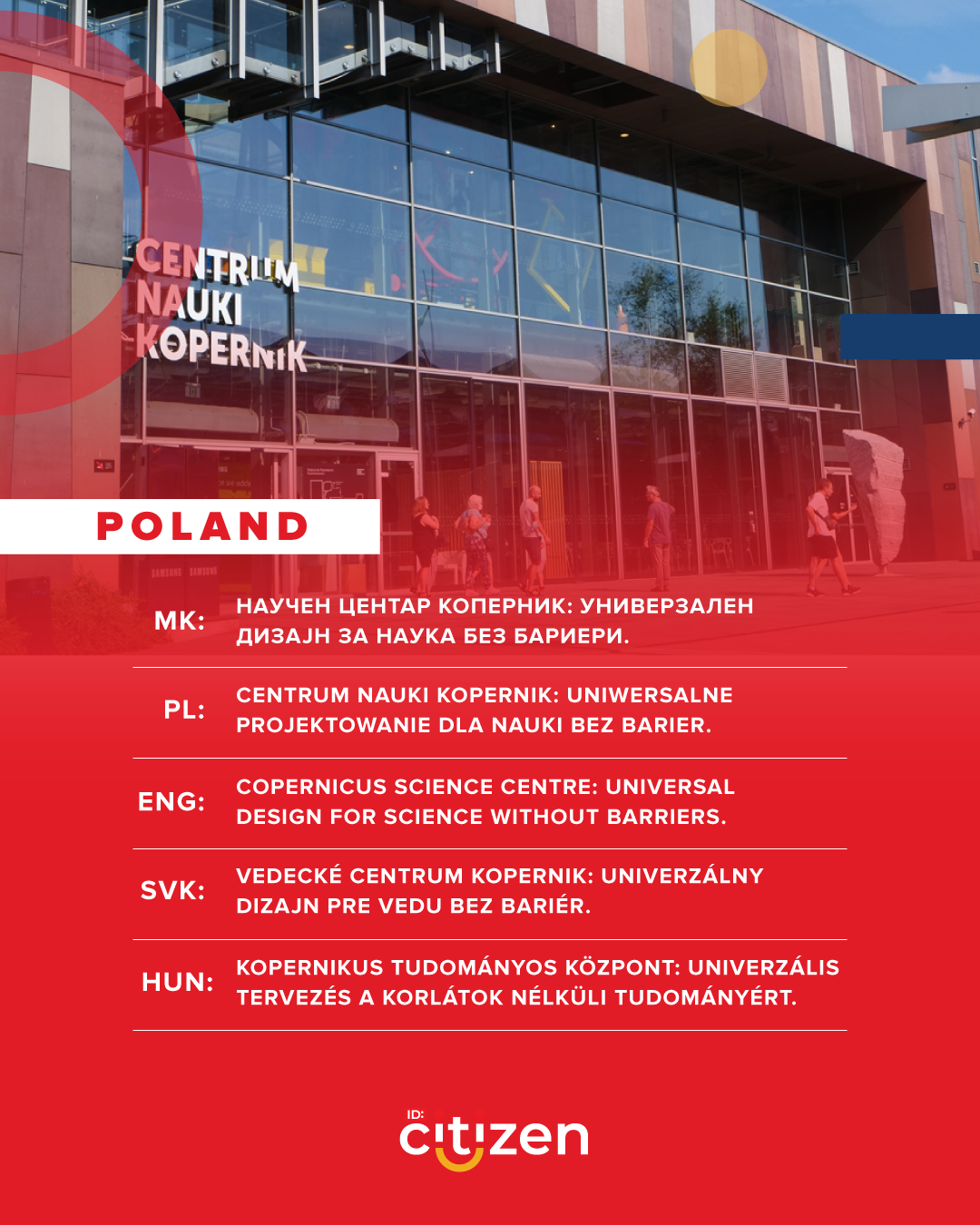
🇵🇱: The Copernicus Science Center in Warsaw shows how architecture can support curiosity, learning, and research. As a space for science and education, it is an example that public buildings should be designed so that knowledge is accessible and understandable to all. 📸: go2warsaw.pl
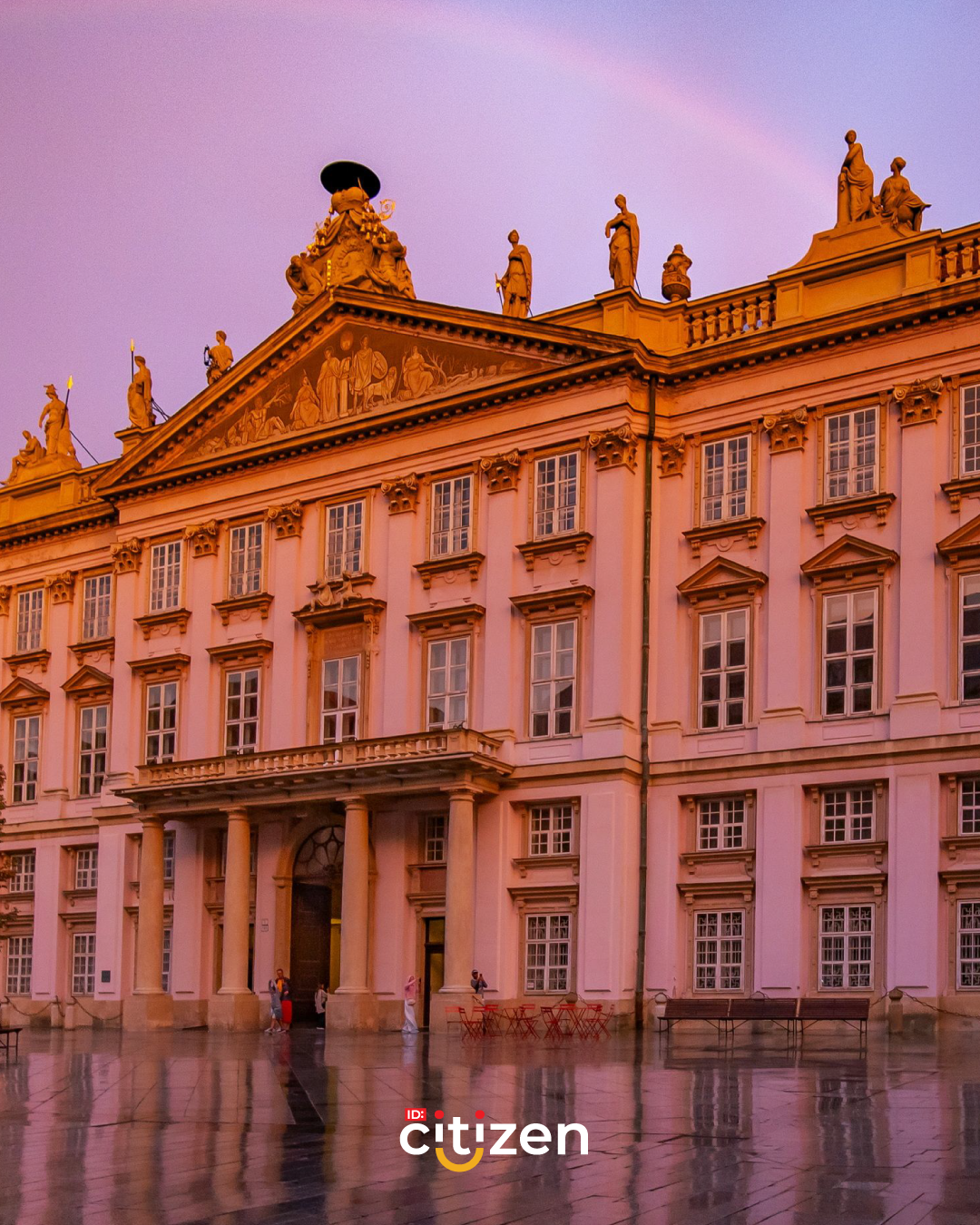
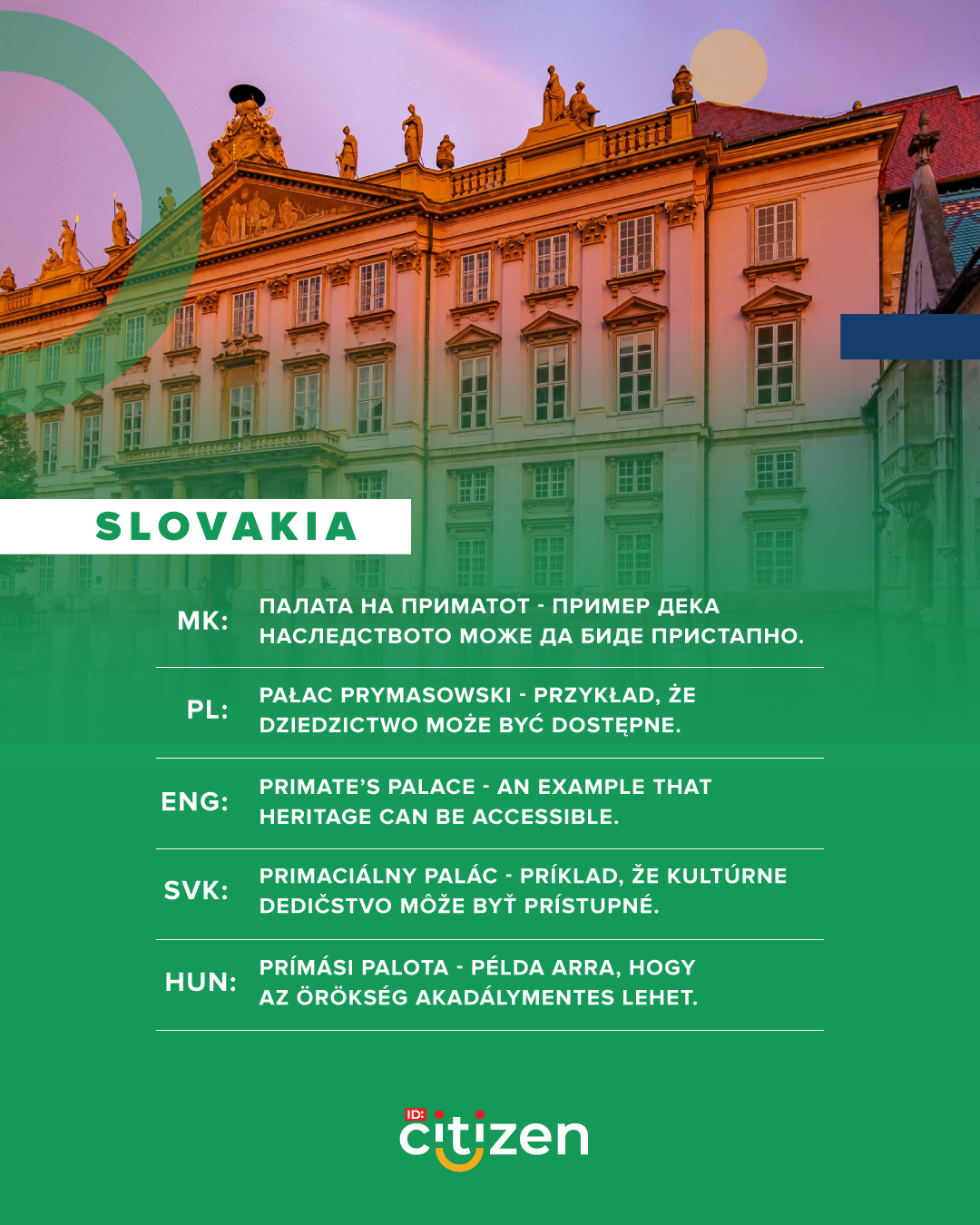
🇸🇰: The Primate’s Palace in Bratislava is a historic building that demonstrates that accessibility is important in cultural heritage. Such spaces remind us that preserving history should support the opening of cultural buildings to all citizens and visitors. 📸: bratislavacard.com
✨ The international ID:CITIZEN campaign aims to promote positive examples of improving accessibility and inclusion of people with disabilities in culture, education, and public spaces in 🇲🇰🇭🇺🇵🇱🇸🇰.